Marcus Brown
Marcus Brown
Marcus Brown
About
About
About
Design Direction, Creative
& Art Direction
17 years experience across
digital, print, events & content
Based in Amsterdam
North Holland
Born in New Zealand
18,520 km AMS — NZ
Design Direction, Creative
& Art Direction
17 years experience across
digital, print, events & content
Based in Amsterdam
North Holland
Born in New Zealand
18,520 km AMS — NZ
Design Direction, Creative
& Art Direction
17 years experience across
digital, print, events & content
Based in Amsterdam
North Holland
Born in New Zealand
18,520 km AMS — NZ
Contact
Contact
Contact
Below Work
Below Work
Below Work
Selected favourites from 2012-2025
New projects & case studies coming soon
Selected favourites from 2012-2025
New projects coming soon
Selected favourites from 2012-2025
New projects & case studies coming soon
Select Clients
Select Clients
Select Clients
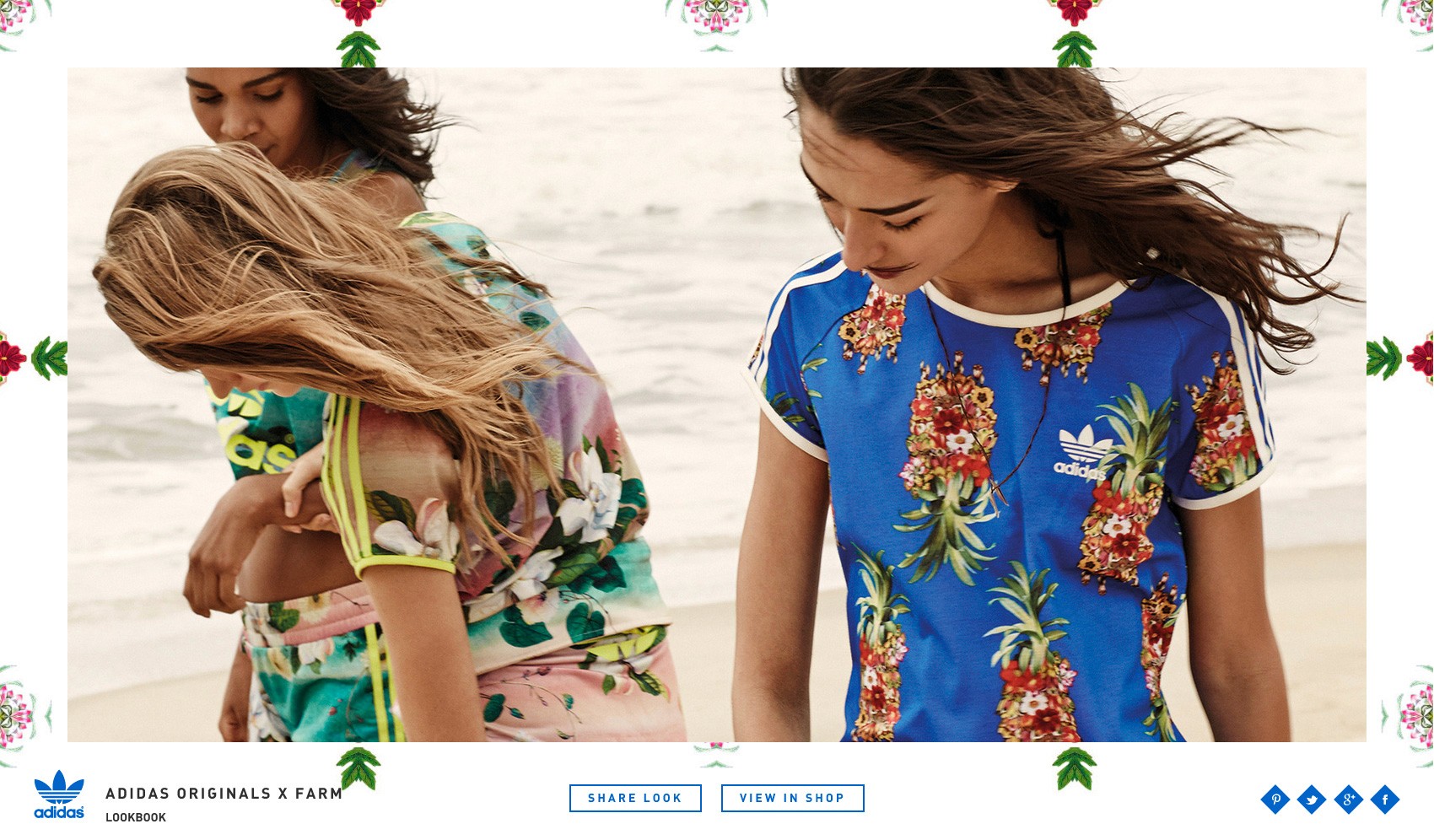
adidas
Maserati
Cowboy Bikes
Dove
Google
Samsung
EA Sports
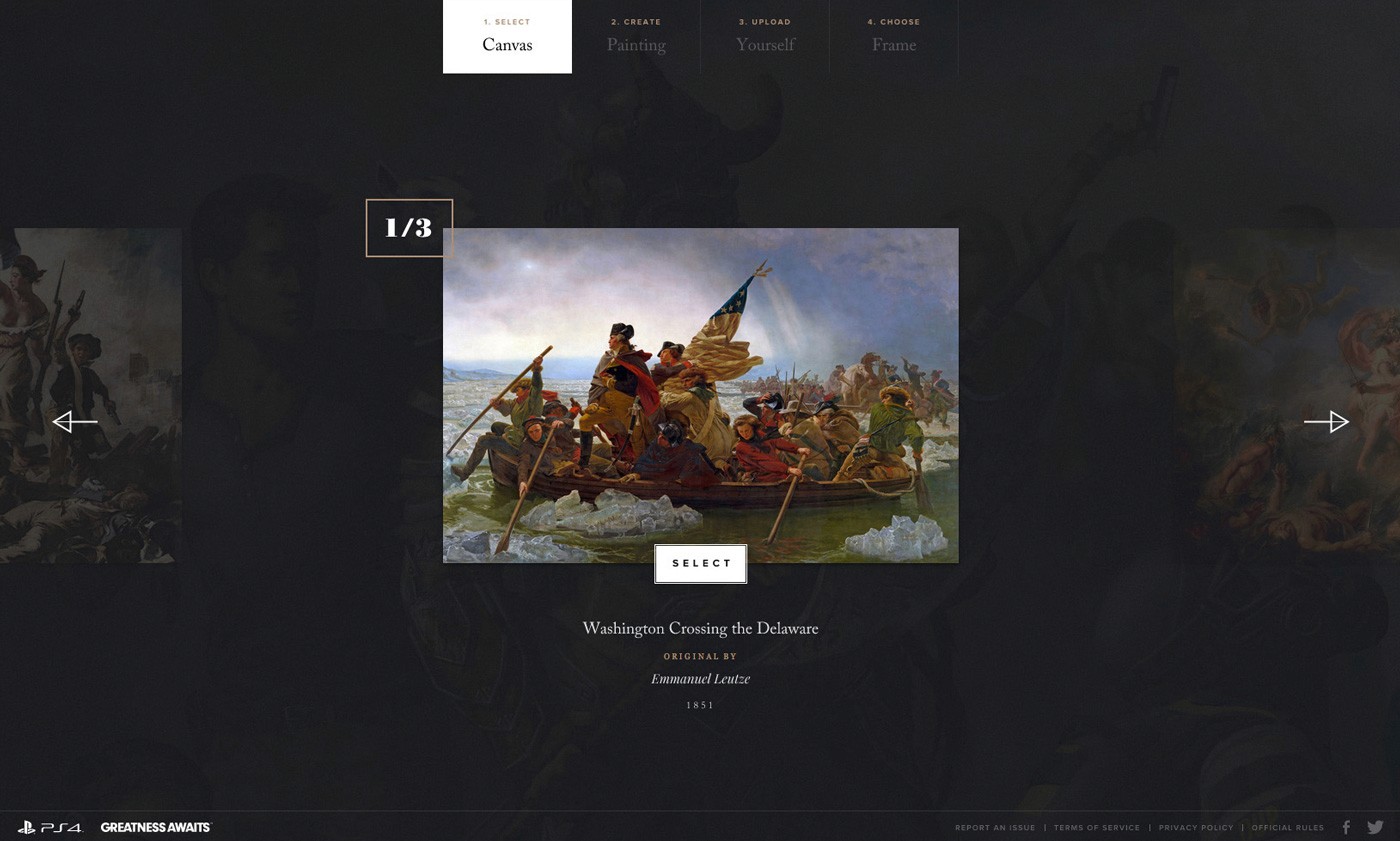
PlayStation
Hennessy
Converse
Huawei
adidas
Maserati
Cowboy Bikes
Dove
Google
Samsung
EA Sports
PlayStation
Hennessy
Converse
Huawei
adidas
Maserati
Cowboy Bikes
Dove
Google
Samsung
EA Sports
PlayStation
Hennessy
Converse
Huawei
Recognition
Recognition
Recognition
Webbys x 6
FWA x 39
Awwwards x 18
Cannes Lions x 2
D&AD Pencils x 2
RedDot Award x 1
One Show x 6
Best Awards x 17
Webbys x 6
FWA x 39
Awwwards x 18
Cannes Lions x 2
D&AD Pencils x 2
RedDot Award x 1
One Show x 6
Best Awards x 17
Webbys x 6
FWA x 39
Awwwards x 18
Cannes Lions x 2
D&AD Pencils x 2
RedDot Award x 1
One Show x 6
Best Awards x 17
View Awards List
View Awards List
View Awards List










Marcus Brown
Marcus Brown
Marcus Brown
Design Director & Creative
Design Director & Creative
Design Director & Creative
Overview
Overview
Overview
I'm a Design Director and Creative, passionate about combining creativity, graphic design and interactivity across digital and physical environments. I love designing throughout a range of art direction styles and mediums, from digital experiences through to physical events, interactive installations, online editorial, e-commerce, print, apps, web based games and 3D content creation. In particular, I focus on using typography, colour and contrast to build engaging visual languages.
I'm a Design Director and Creative, passionate about combining creativity, graphic design and interactivity across digital and physical environments. I love designing throughout a range of art direction styles and mediums, from digital experiences through to physical events, interactive installations, online editorial, e-commerce, print, apps, web based games and 3D content creation. In particular, I focus on using typography, colour and contrast to build engaging visual languages.
I'm a Design Director and Creative, passionate about combining creativity, graphic design and interactivity across digital and physical environments. I love designing throughout a range of art direction styles and mediums, from digital experiences through to physical events, interactive installations, online editorial, e-commerce, print, apps, web based games and 3D content creation. In particular, I focus on using typography, colour and contrast to build engaging visual languages.
Career Mediums
Career Mediums
Career Mediums
Immersive Digital Experiences
WebGL 3D Experiences
Editorial Website Experiences
PDP Product Pages
Digital Product Launch Events
E-Commerce Platforms & Checkouts
3D Product Rendering
2D & 3D Animations
Retail Installations
Physical Brand Activations
Event Creative & Floorplans
Kinect/Body Controlled Experiences
iPhone + iPad Apps & Controllers
Branding & Logo Design
Web Based Games
Branded Merchandise
Printed Materials
Social Media Campaigns
Paid Media Campaigns
CRM & Newsletters
Immersive Digital Experiences
WebGL 3D Experiences
Editorial Website Experiences
PDP Product Pages
Digital Product Launch Events
E-Commerce Platforms & Checkouts
3D Product Rendering
2D & 3D Animations
Retail Installations
Physical Brand Activations
Event Creative & Floorplans
Kinect/Body Controlled Experiences
iPhone + iPad Apps & Controllers
Branding & Logo Design
Web Based Games
Branded Merchandise
Printed Materials
Social Media Campaigns
Paid Media Campaigns
CRM & Newsletters
Immersive Digital Experiences
WebGL 3D Experiences
Editorial Website Experiences
PDP Product Pages
Digital Product Launch Events
E-Commerce Platforms & Checkouts
3D Product Rendering
2D & 3D Animations
Retail Installations
Physical Brand Activations
Event Creative & Floorplans
Kinect/Body Controlled Experiences
iPhone + iPad Apps & Controllers
Branding & Logo Design
Web Based Games
Branded Merchandise
Printed Materials
Social Media Campaigns
Paid Media Campaigns
CRM & Newsletters
Scroll for More
Scroll for More
Scroll for More
contact@marcus-brown.com
contact@marcus-brown.com
contact@marcus-brown.com





Experience
Experience
Experience
Agency, Freelance & Brand
Agency, Freelance & Brand
Agency, Freelance & Brand
Last Decade
Last Decade
Last Decade
Design Director - Cowboy Bikes
(Digital, Creative & Marketing)
2022-2024
Design Director - Resn (Part Time)
2018-2022
Design Director & Creative - Freelance
2018-2022
Design Director - Resn
2016-2018
Senior Art Director - Resn
2014-2016
Design Director - Cowboy Bikes
(Digital, Creative & Marketing)
2022-2024
Design Director - Resn (Part Time)
2018-2022
Design Director & Creative - Freelance
2018-2022
Design Director - Resn
2016-2018
Senior Art Director - Resn
2014-2016
Design Director - Cowboy Bikes
(Digital, Creative & Marketing)
2022-2024
Design Director - Resn (Part Time)
2018-2022
Design Director & Creative - Freelance
2018-2022
Design Director - Resn
2016-2018
Senior Art Director - Resn
2014-2016
Scroll for More
Scroll for More
Scroll for More
contact@marcus-brown.com
contact@marcus-brown.com
contact@marcus-brown.com

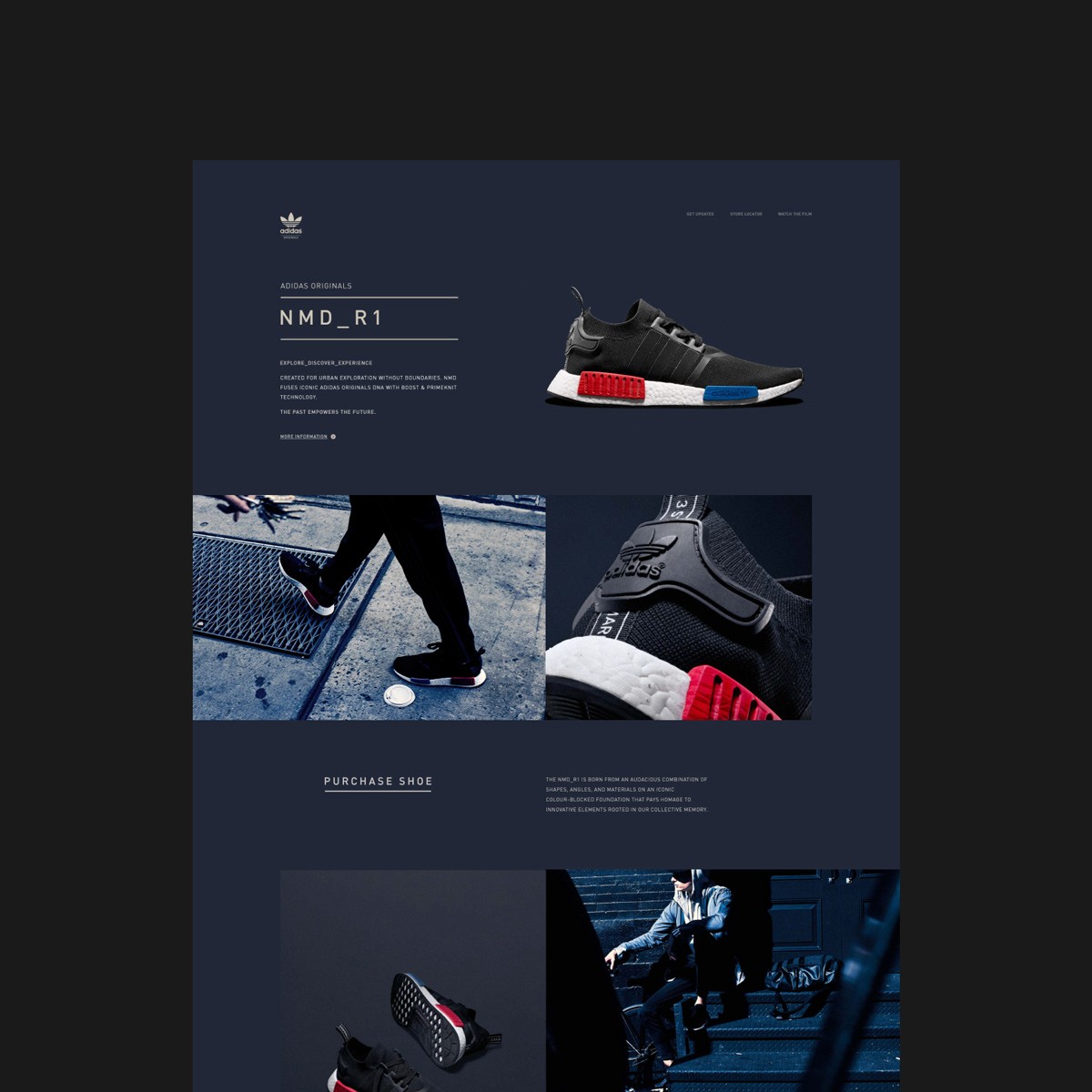

Marcus Brown
Marcus Brown
Marcus Brown
Contact
Contact
Contact
Teams
Teams
Teams
I love working in creative teams and being surrounded by production minded people who care deeply about the idea, small details and visual craft.
All of the above work was done with amazing teams and wouldn’t be possible without them.
I love working in creative teams and being surrounded by production minded people who care deeply about the idea, small details and visual craft.
All of the above work was done with amazing teams and wouldn’t be possible without them.
I love working in creative teams and being surrounded by production minded people who care deeply about the idea, small details and visual craft.
All of the above work was done with amazing teams and wouldn’t be possible without them.
Select Clients
Select Clients
Select Clients
adidas
Maserati
Cowboy Bikes
Dove
Google
Samsung
EA Sports
PlayStation
Hennessy
Converse
Huawei
adidas
Maserati
Cowboy Bikes
Dove
Google
Samsung
EA Sports
PlayStation
Hennessy
Converse
Huawei
adidas
Maserati
Cowboy Bikes
Dove
Google
Samsung
EA Sports
PlayStation
Hennessy
Converse
Huawei
Recognition
Recognition
Recognition
Webbys x 6
FWA x 39
Awwwards x 18
Cannes Lions x 2
D&AD Pencils x 2
RedDot Award x 1
One Show x 6
Best Awards x 17
Webbys x 6
FWA x 39
Awwwards x 18
Cannes Lions x 2
D&AD x 2
RedDot x 1
One Show x 6
Best Awards x 17
Webbys x 6
FWA x 39
Awwwards x 18
Cannes Lions x 2
D&AD Pencils x 2
RedDot Award x 1
One Show x 6
Best Awards x 17
View Awards List
View Awards List
2025
2025
2025
Amsterdam, NL
Amsterdam, NL
Amsterdam, NL
Design Direction, Art Direction
& Creative Direction
Marcus Brown
I'm Marcus, an Amsterdam based Design Director & Creative with 17 years experience within the creative industry. I'm passionate about combining interactivity with design across digital and physical environments,
and feel at home working amongst a range
of styles. From digital experiences to events, editorial, installations, e-commerce, creative campaigns and beyond. In particular, I love the use of contrast, colour & typography.
Based in Amsterdam, Netherlands
52.3676° N, 4.9041° E
Location
Available from June 2025 onwards for Design and Art Direction.
Availability
Projects - Select Clients
adidas, Google, EA Sports, PlayStation, Maserati, Dove, Samsung, Hennessy, Converse, Ford, HP, Huawei, Subaru, Cowboy Bikes, KIA Motors, VanMoof, Perrier, GAP, Hewlett Packard, Milka.
Recent Roles
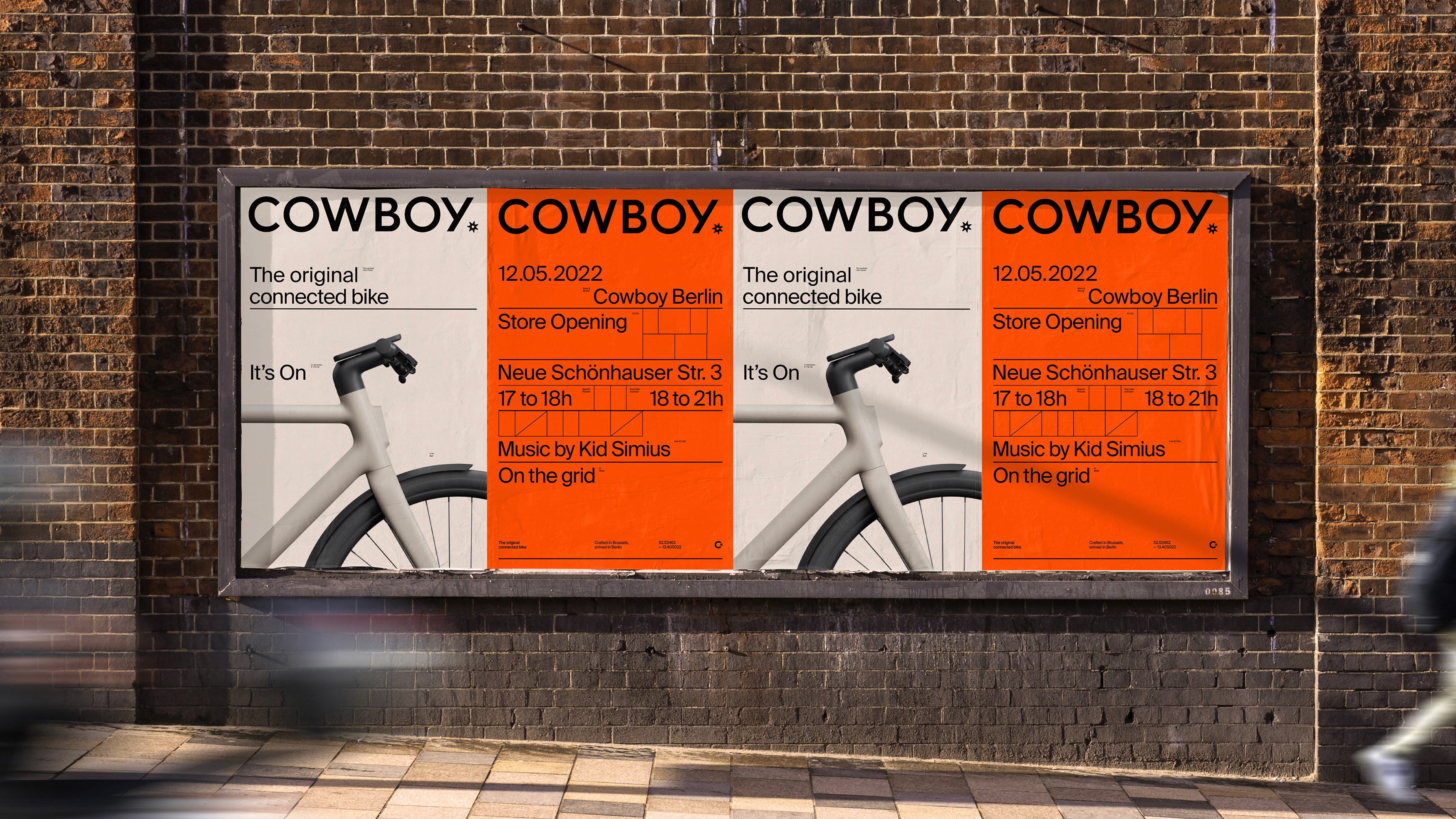
From 2022 to 2024 I worked as a Design Director at world leading European e-bike brand Cowboy Bikes with selected work shown below. Prior to this, I was Design Director at digital agency Resn in Amsterdam working across interactive experiences.
Recognition
Webby Awards x 6
FWA Awards x 39 Awwwards x 18
Cannes Lions x 2
D&AD Pencils x 2 RedDot Award x 1
One Show x 6
Best Awards x 19
View project awards list


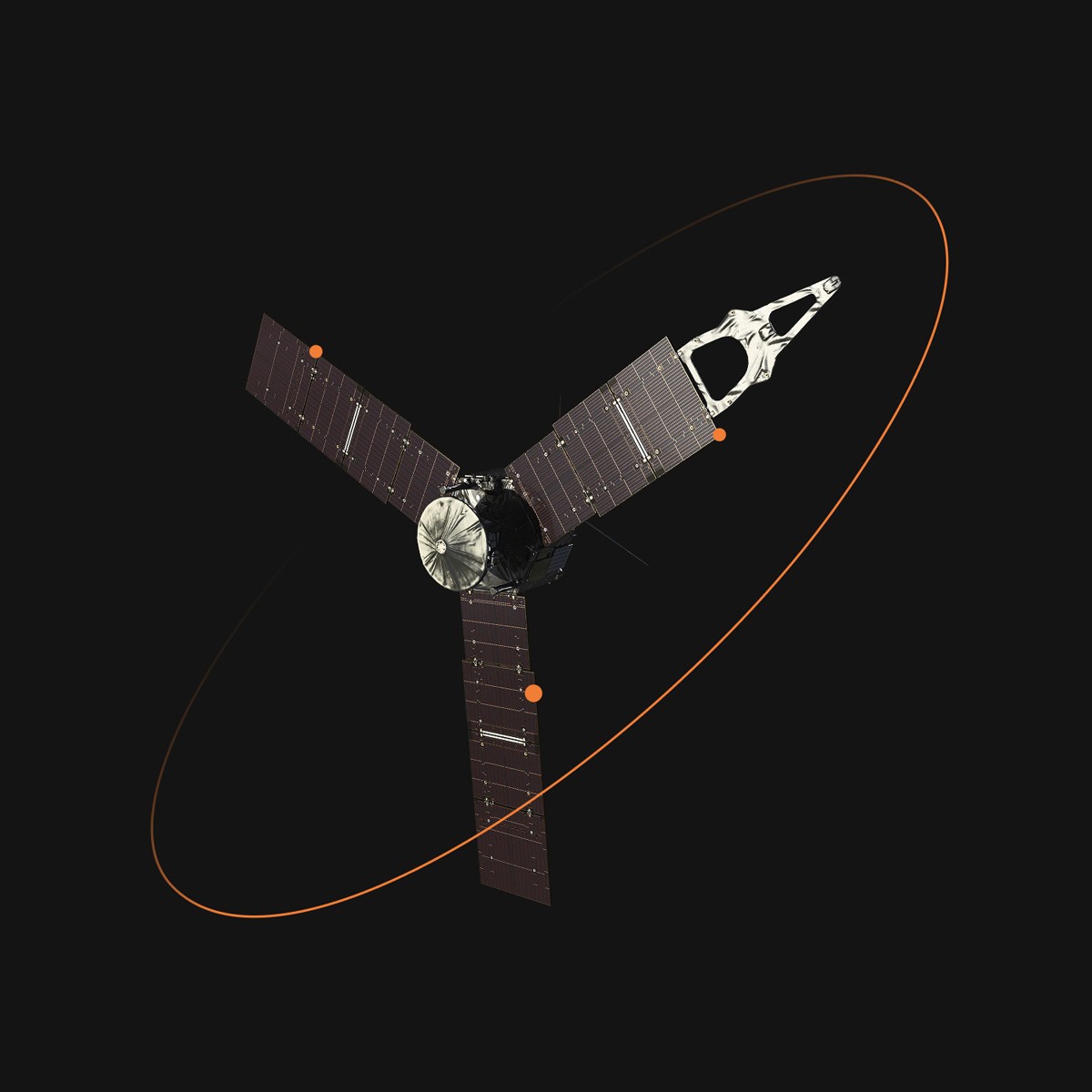
JUNO - Personal (In Progress)
Role: Concept, Creative Direction & Design

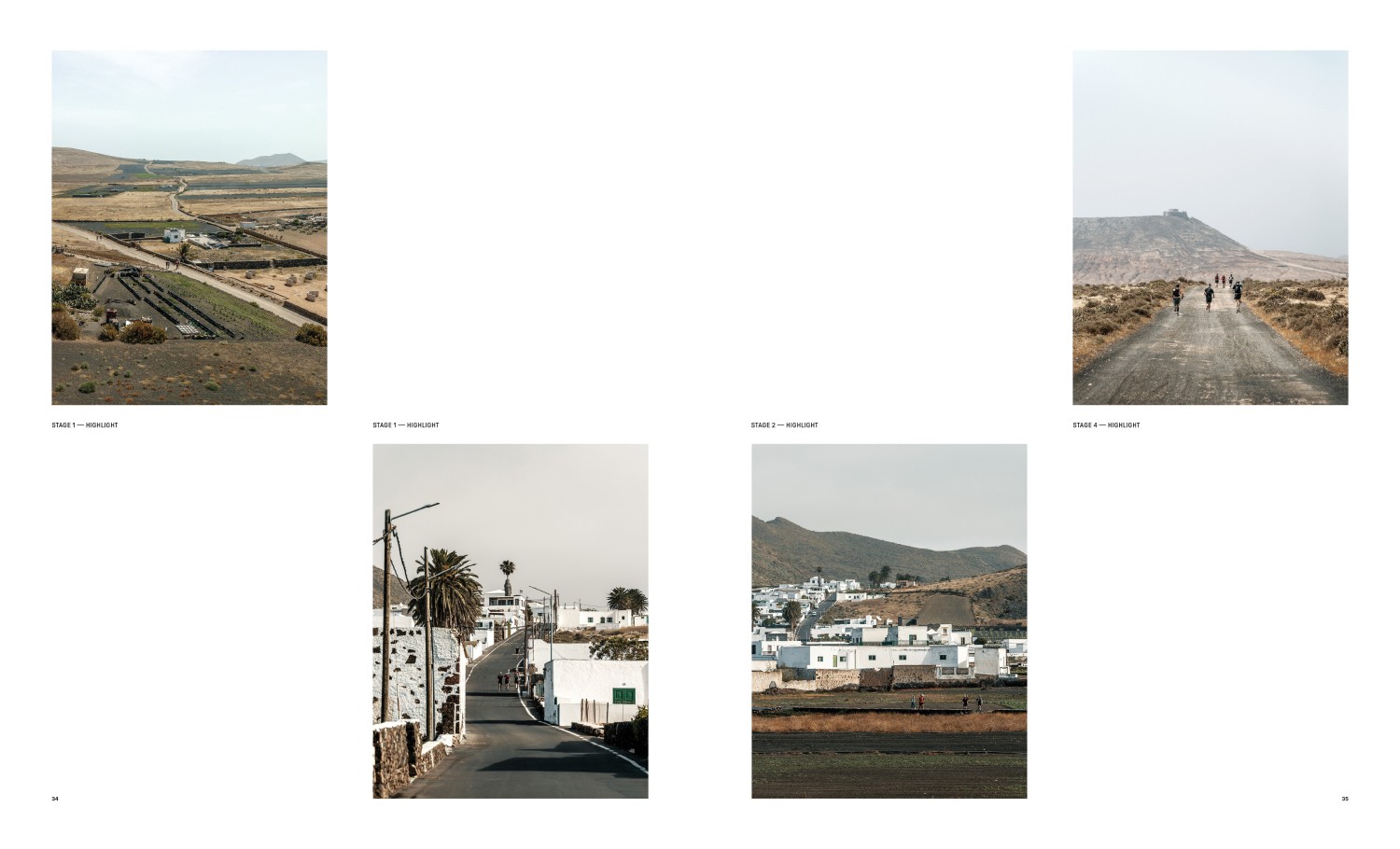
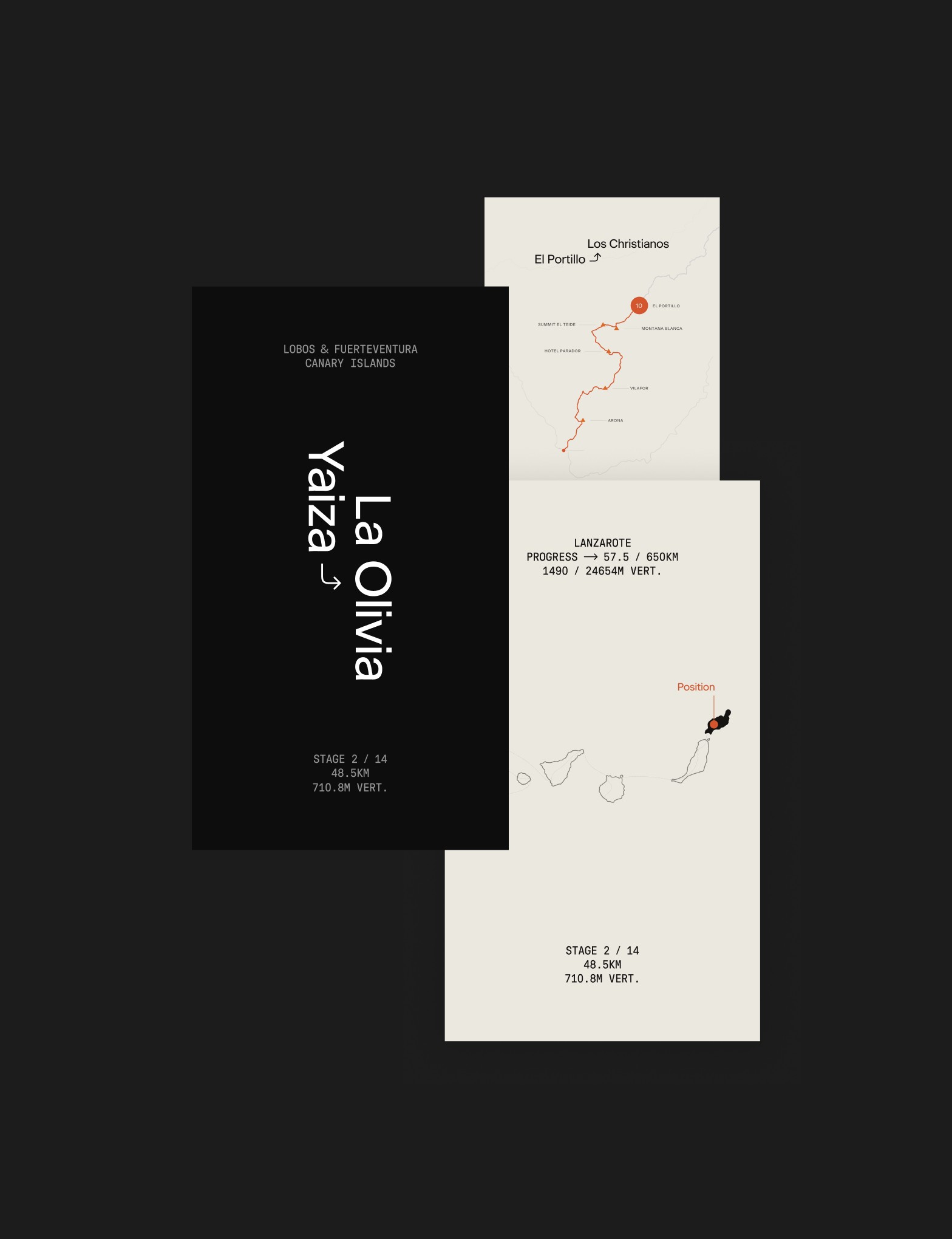
Crossing Canarias Branding
Role: Design
AdaptivePower Animations - Cowboy
Role: Art Direction / 3D: First Things
AdaptivePower Animations - Cowboy
Role: Art Direction / 3D: First Things

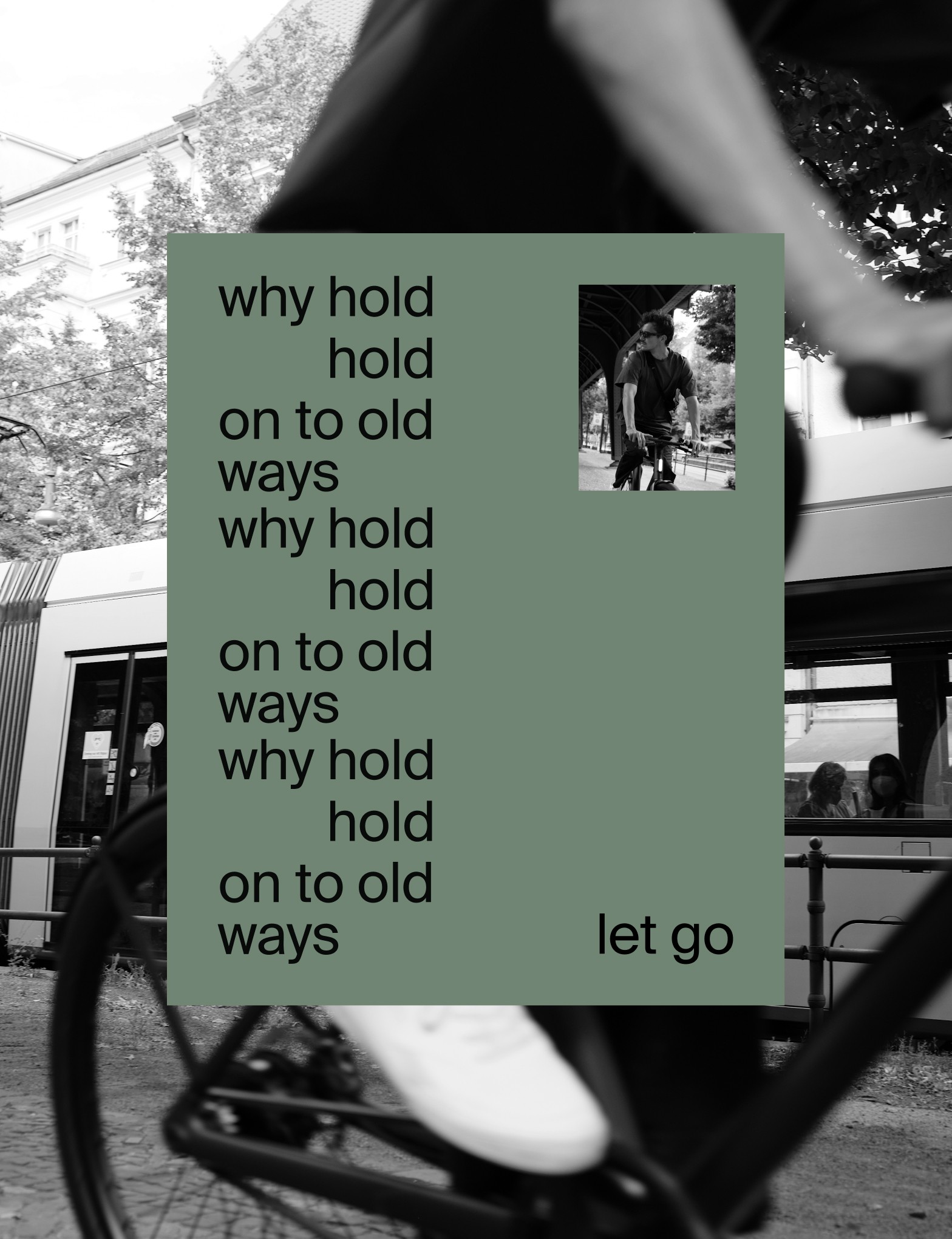
3D Bike Explorers - Cowboy
Role: Design


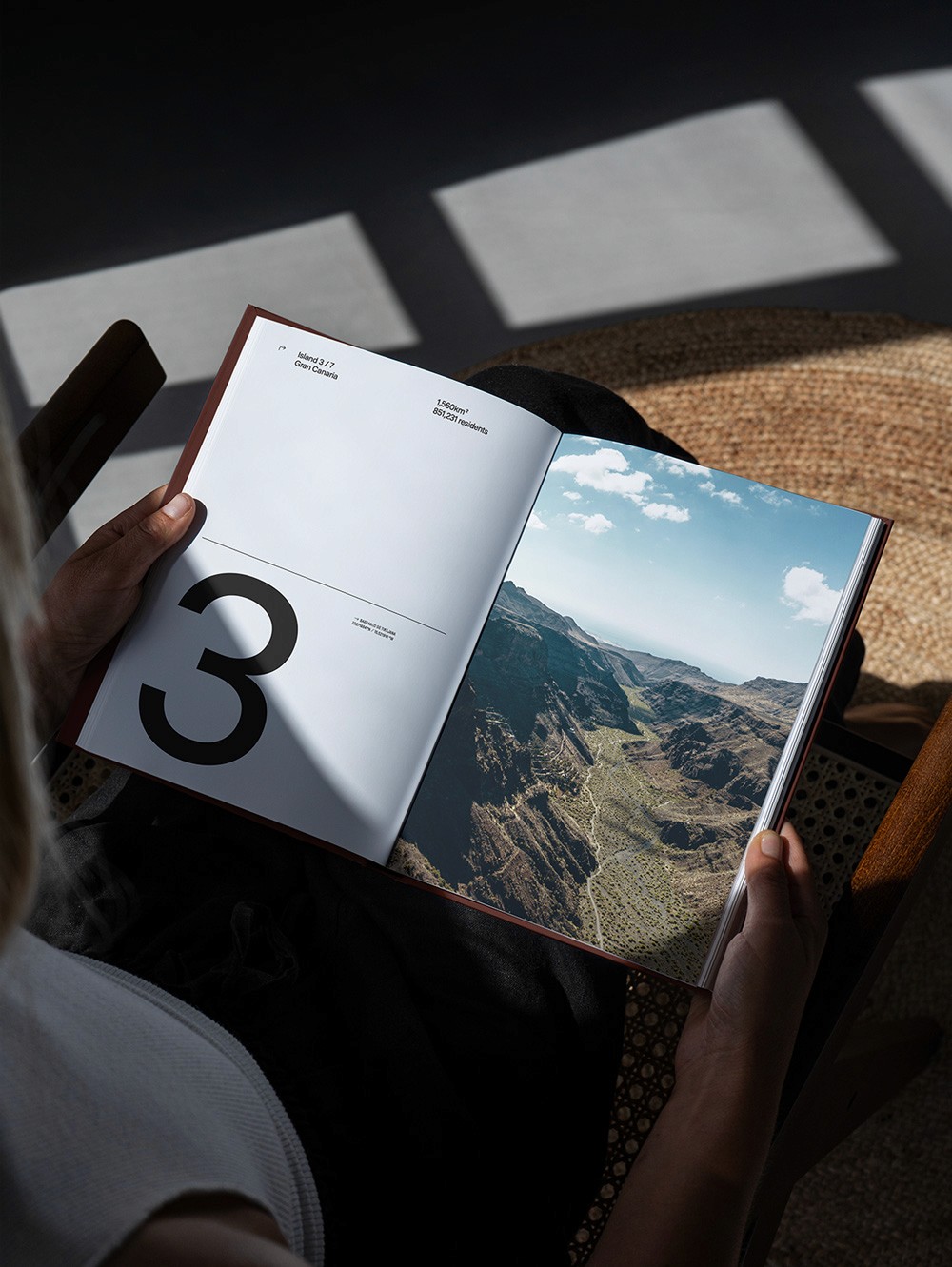
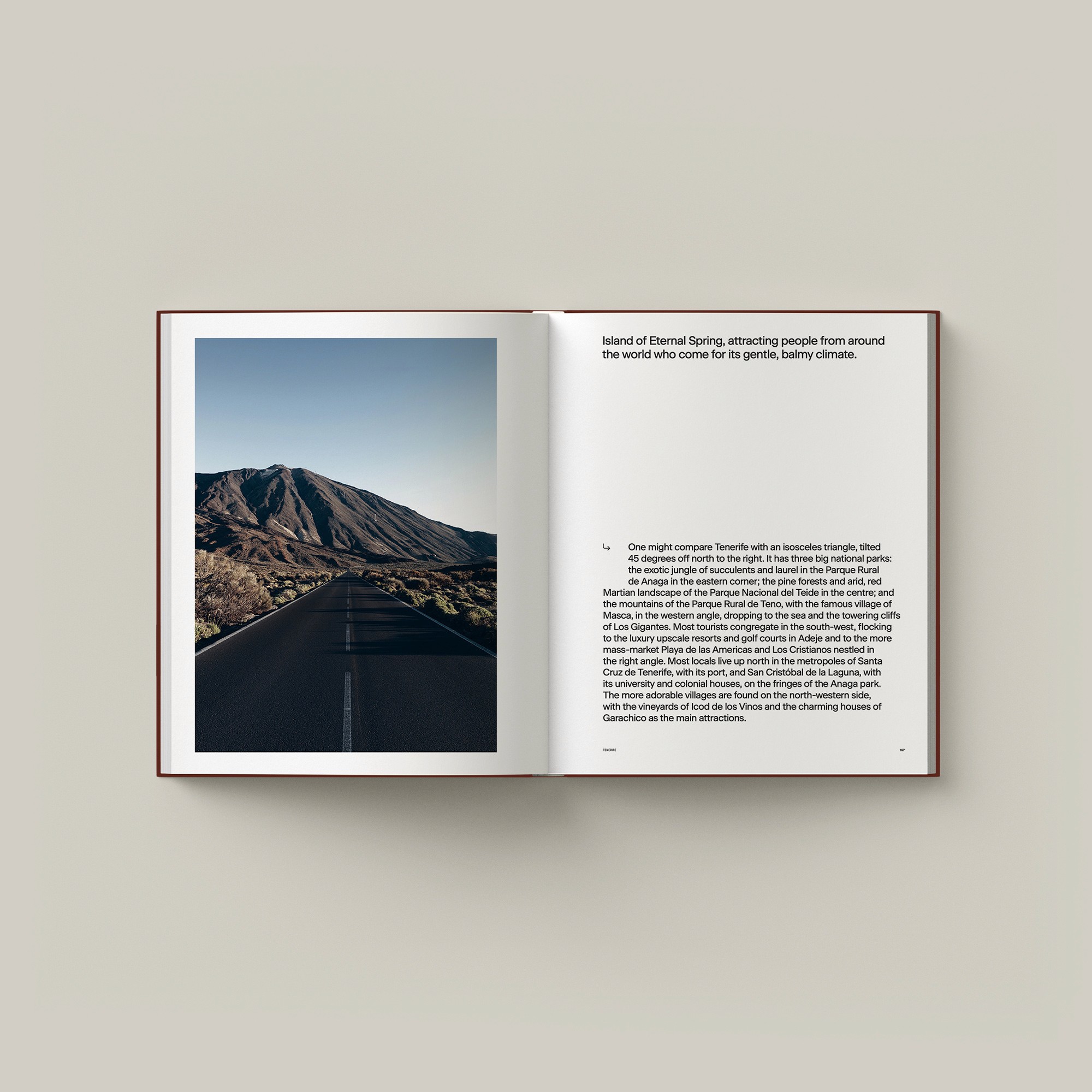
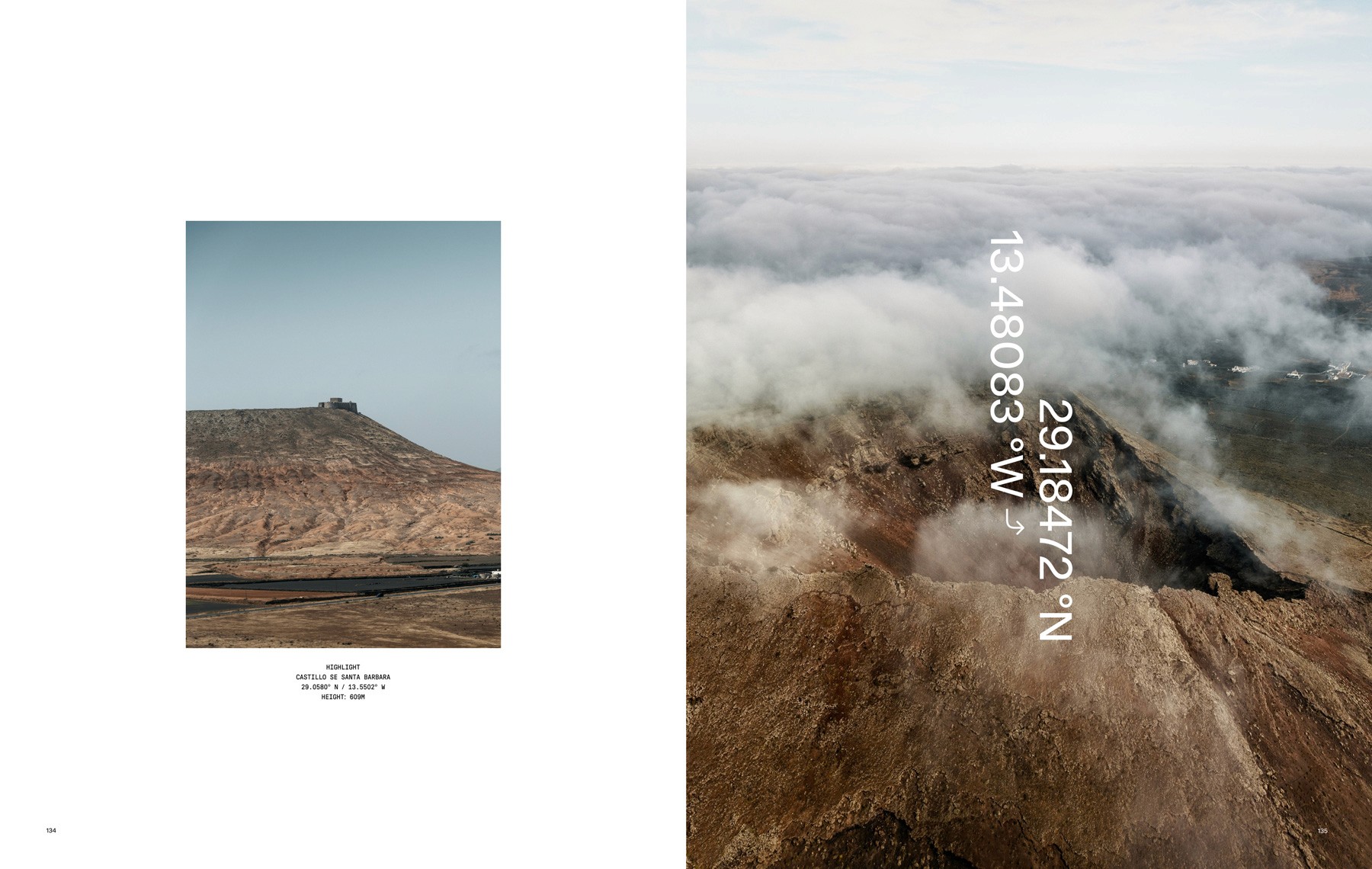
Canary Islands Book
Role: Creative Direction & Design
Client: Charles Van Haverbeke

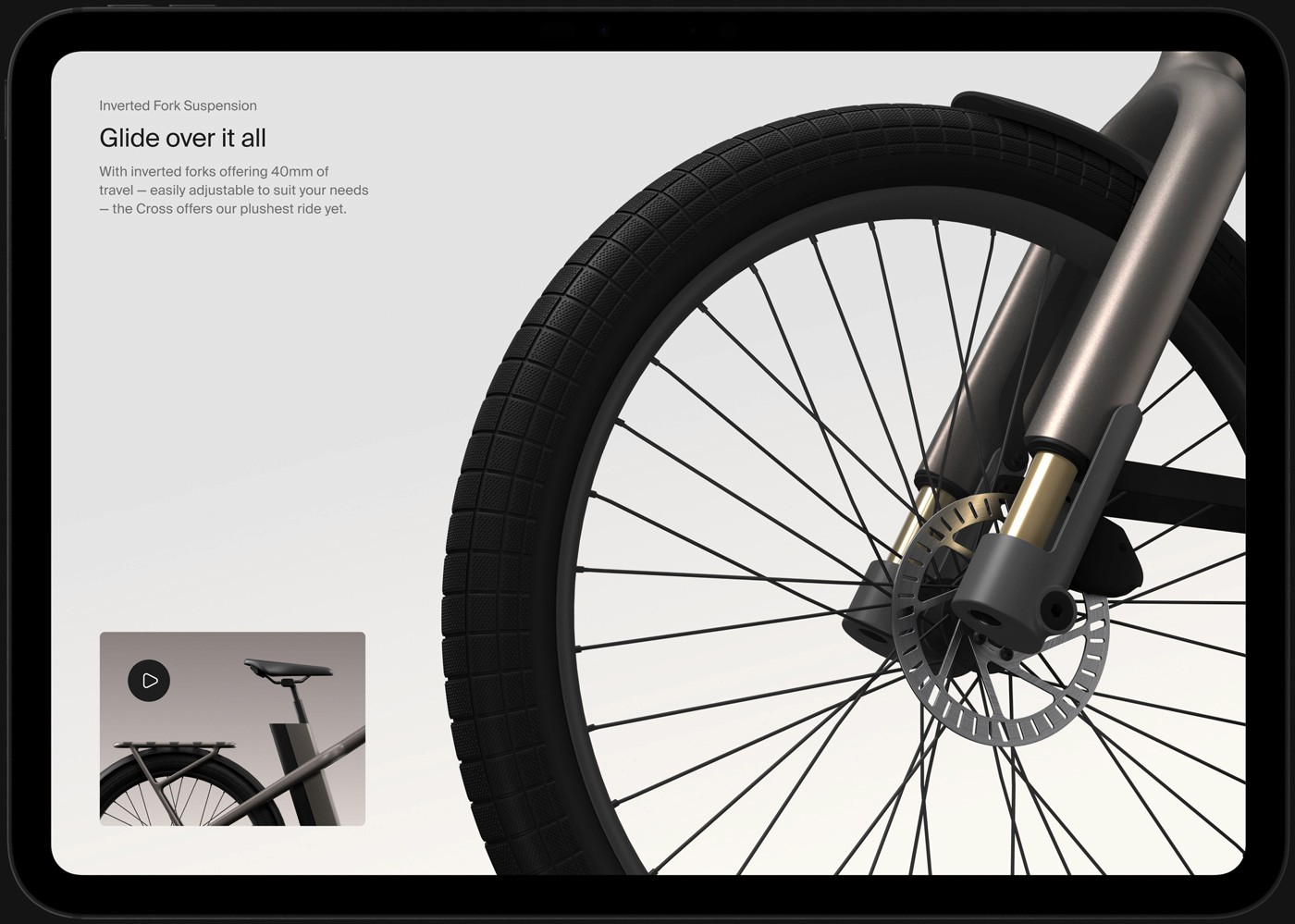
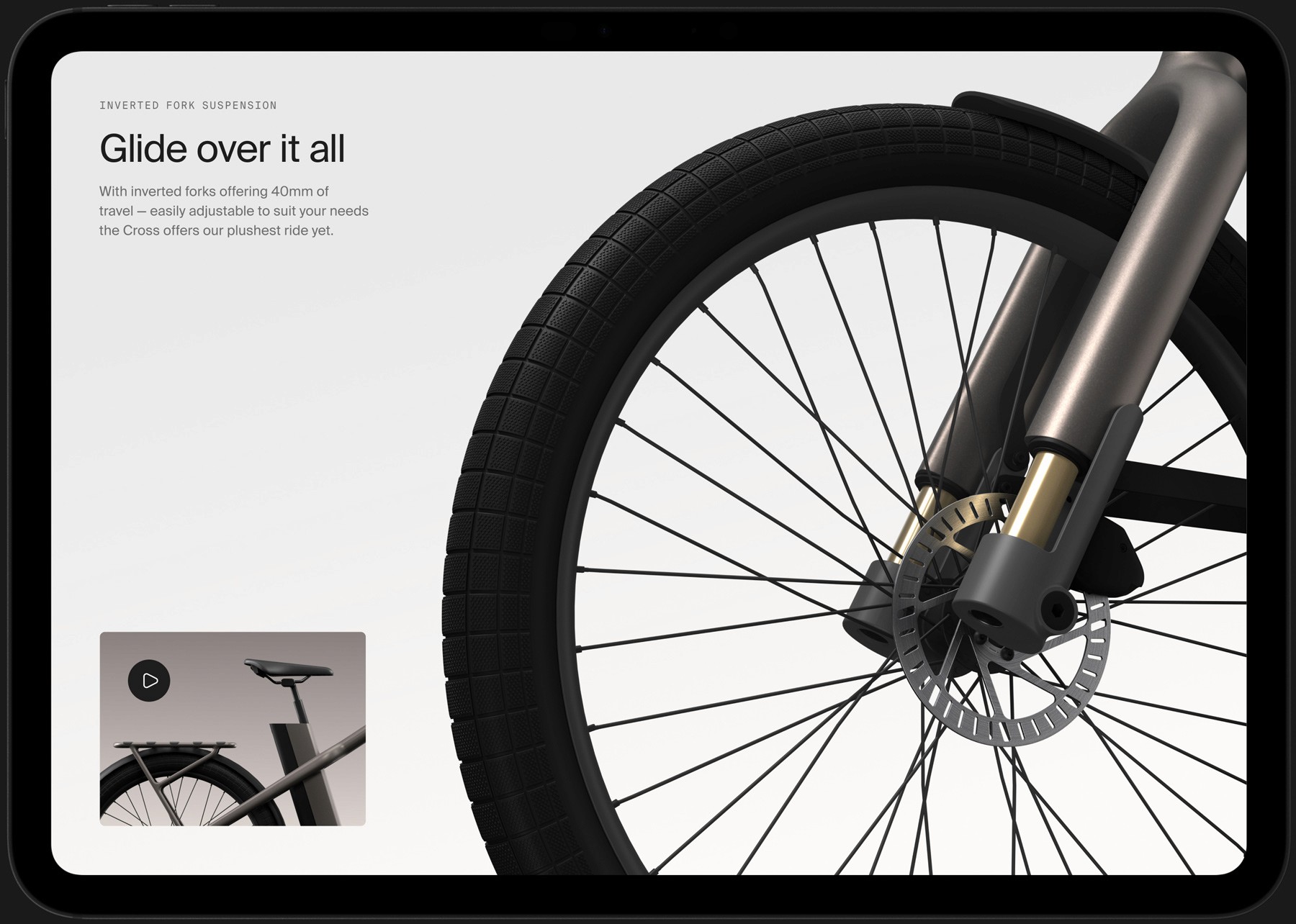
Interactive 3D - Cowboy
Role: Design


Canary Islands Book - Charles Van Haverbeke
Role: Creative Direction & Design


3D Product Renders - Cowboy
Role: Art Direction / 3D: Graceful Monkey

Connect Lifestyle shoot - Cowboy
Role: Art Direction / Photographer: Arthur Couvat


Cross Digital Launch - Cowboy
Role: Creative Direction & Design


AP 2.0 - Cowboy
Role: Design

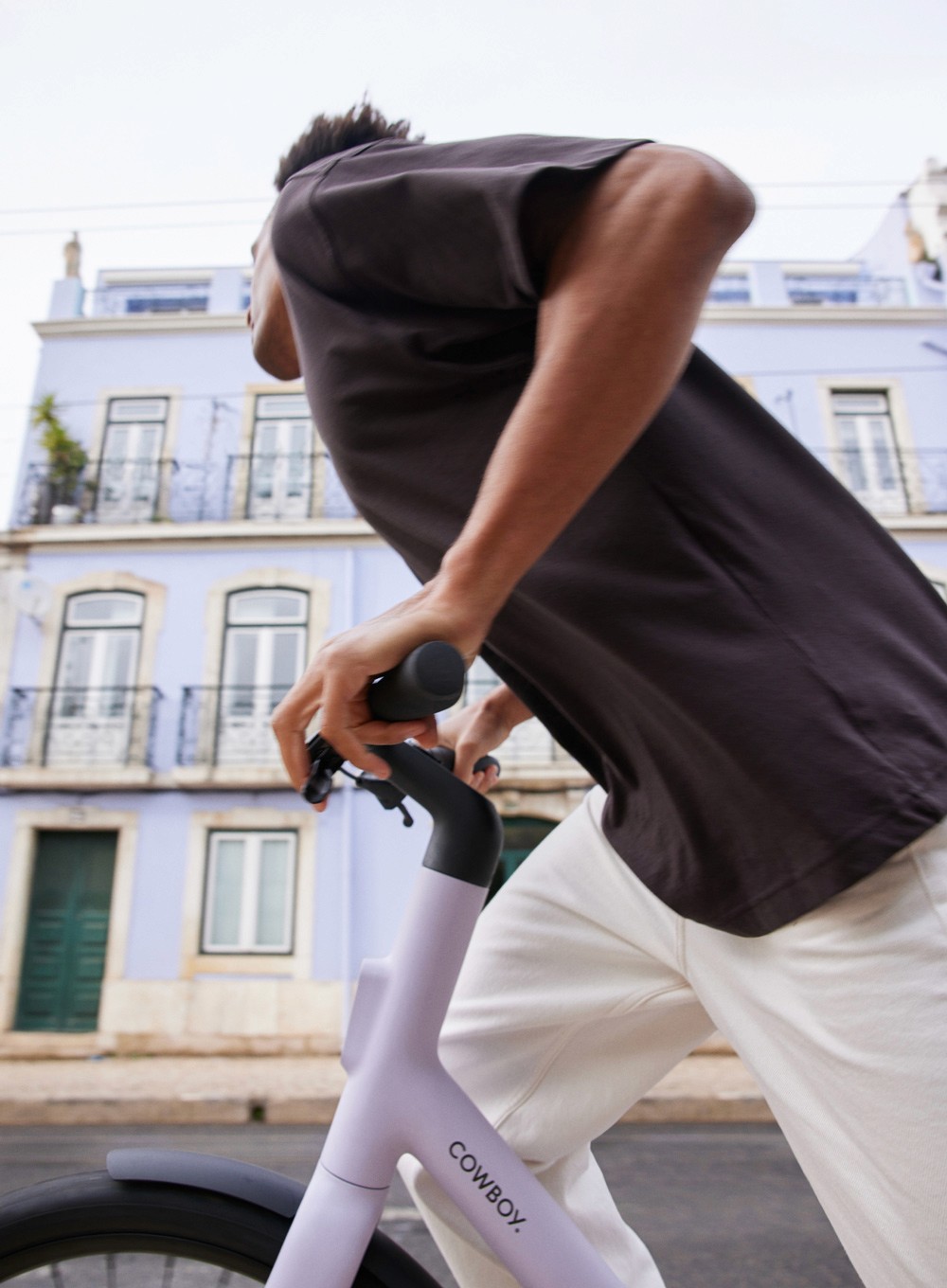
Spring Lifestyle - Cowboy
Role: Art Direction / Photographer: Paul Calver
Spring Lifestyle - Cowboy
Role: Art Direction / Photographer: Paul Calver

Book a Test Ride UX - Cowboy
Role: UX & Design


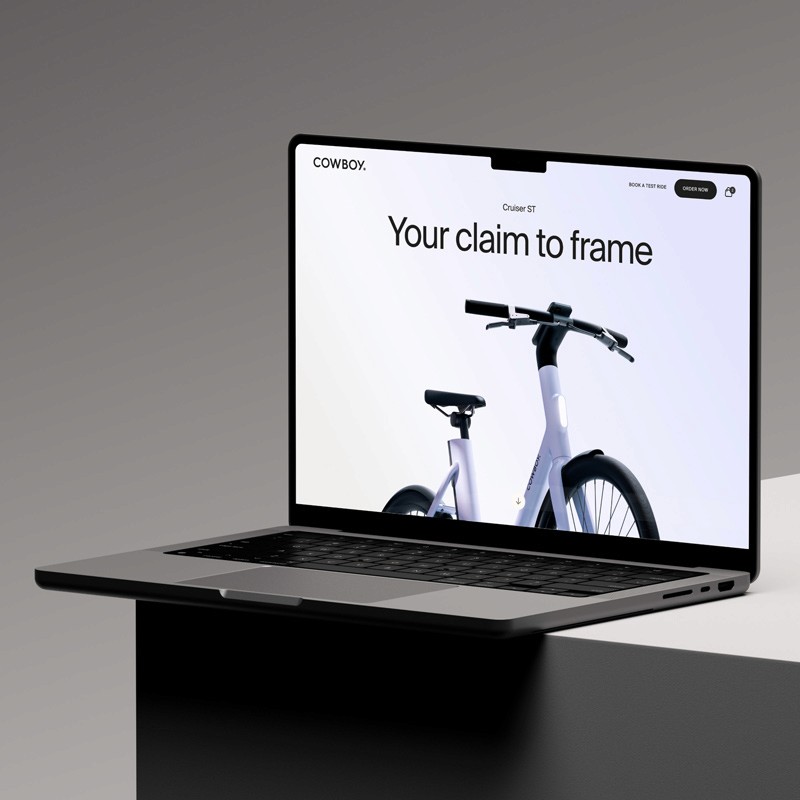
Cowboy Website - Cowboy
Role: Creative Direction & Design

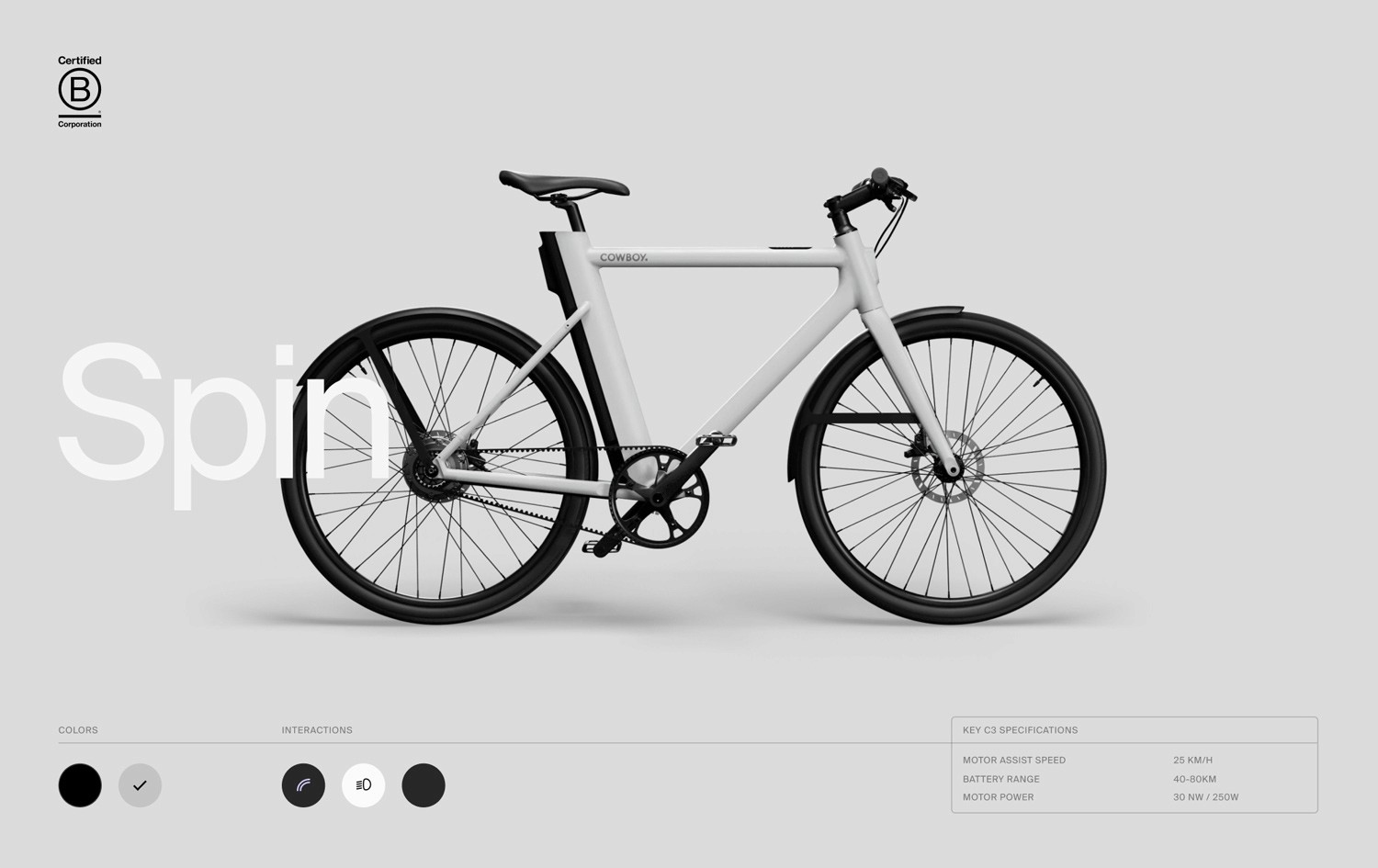
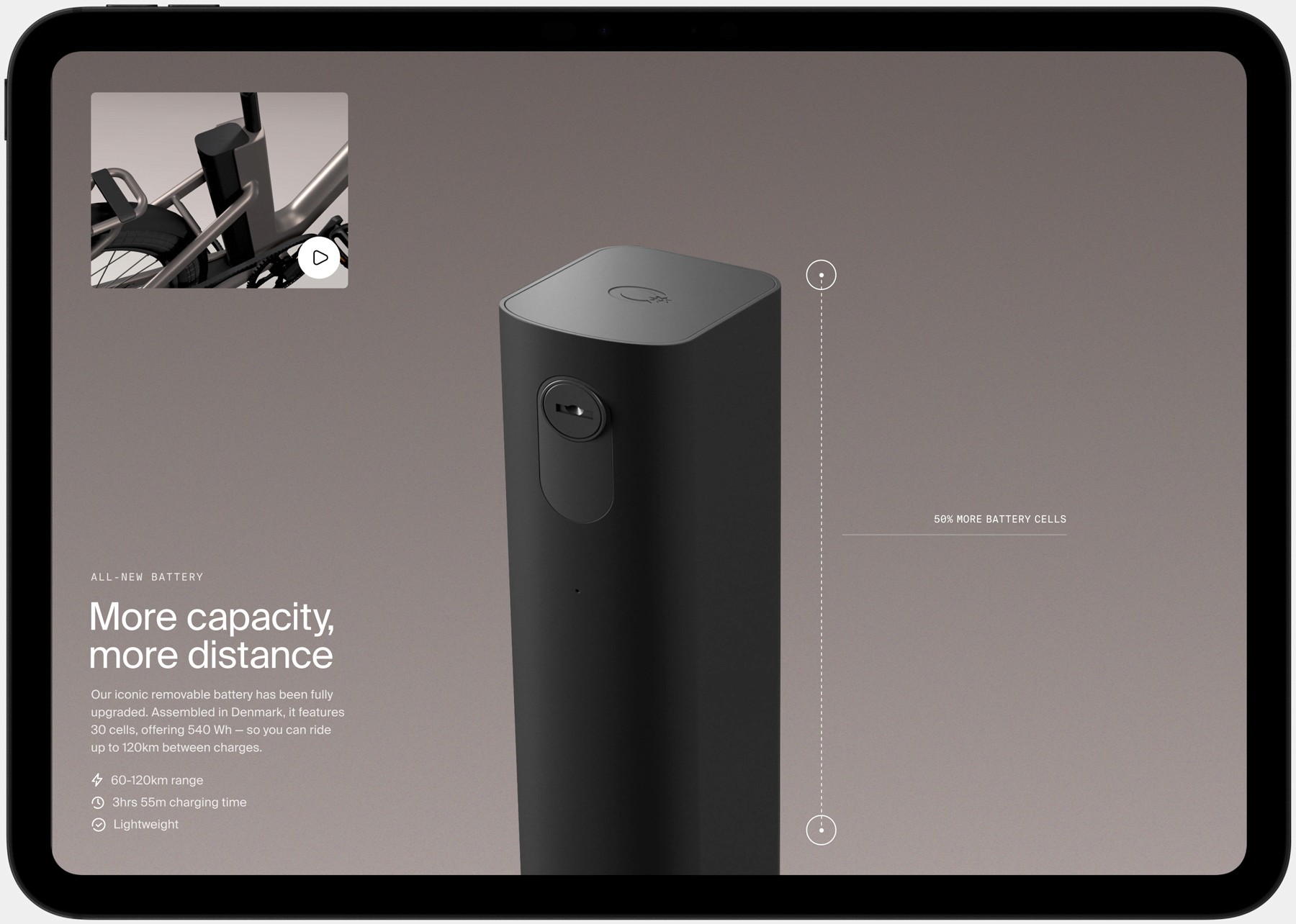
Product Pages - Cowboy
Role: Creative Direction & Design
Design Direction, Art Direction, Creative Direction, 3D & Animation Direction, Digital & Graphic Design, Interactive Experiences (Digital & Physical), Events Creative, Installations, UX, Print, Merch Design, Creative Campaigns, Social, E-Commerce.
Skillset
Experience (Mediums)
Immersive Digital Experiences
WebGL 3D Experiences
PDP Product Pages
Online Editorial Websites
E-Commerce Platforms & Checkouts
Digital Product Launch Events
3D Product Rendering
2D & 3D Animations
Photography Art Direction
Retail Installations
Physical Brand Activations
Event Creative & Floorplans
Kinect / Body Controlled Experiences
iPhone / iPad Apps & Controllers
Branding & Logo Design
Web Based Games
Branded Merchandise
Print Materials
Social Media Campaigns
Paid Media Campaigns
CRM Campaigns


CANALS - Personal
Role: Concept, Art Direction & Design
Dev: Aristide Benoit

Alphaedge 4D Animations - Resn
Role: Art Direction & Design


Humble Motors - Resn
Role: Creative Direction & Design
adidas Alphaedge 4D Event - Resn
Role: Creative Direction & Spatial Design
adidas Alphaedge 4D Event - Resn
Role: Creative Direction & Spatial Design


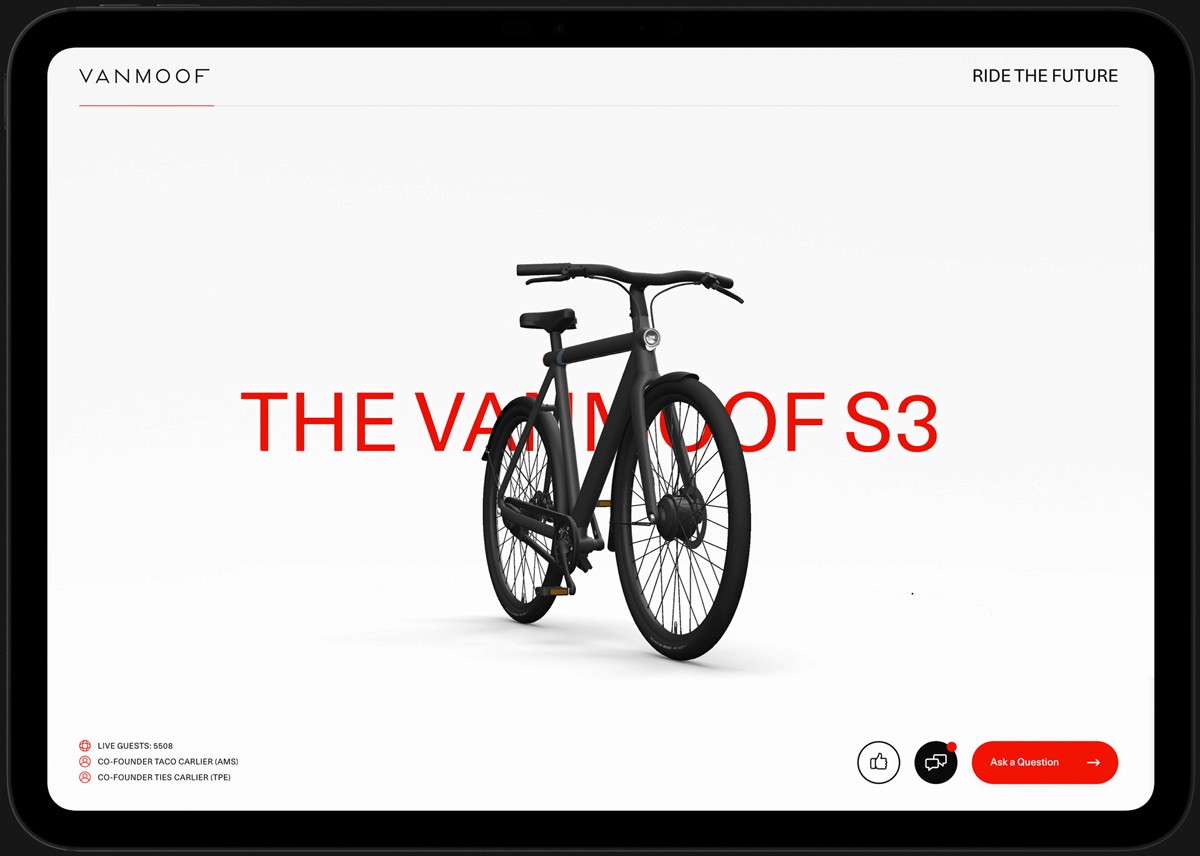
VanMoof S3 & X3 Launch - Resn
Role: Design & Creative

adidas Alphaedge 4D Scanner - Resn
Role: Creative Direction & Design


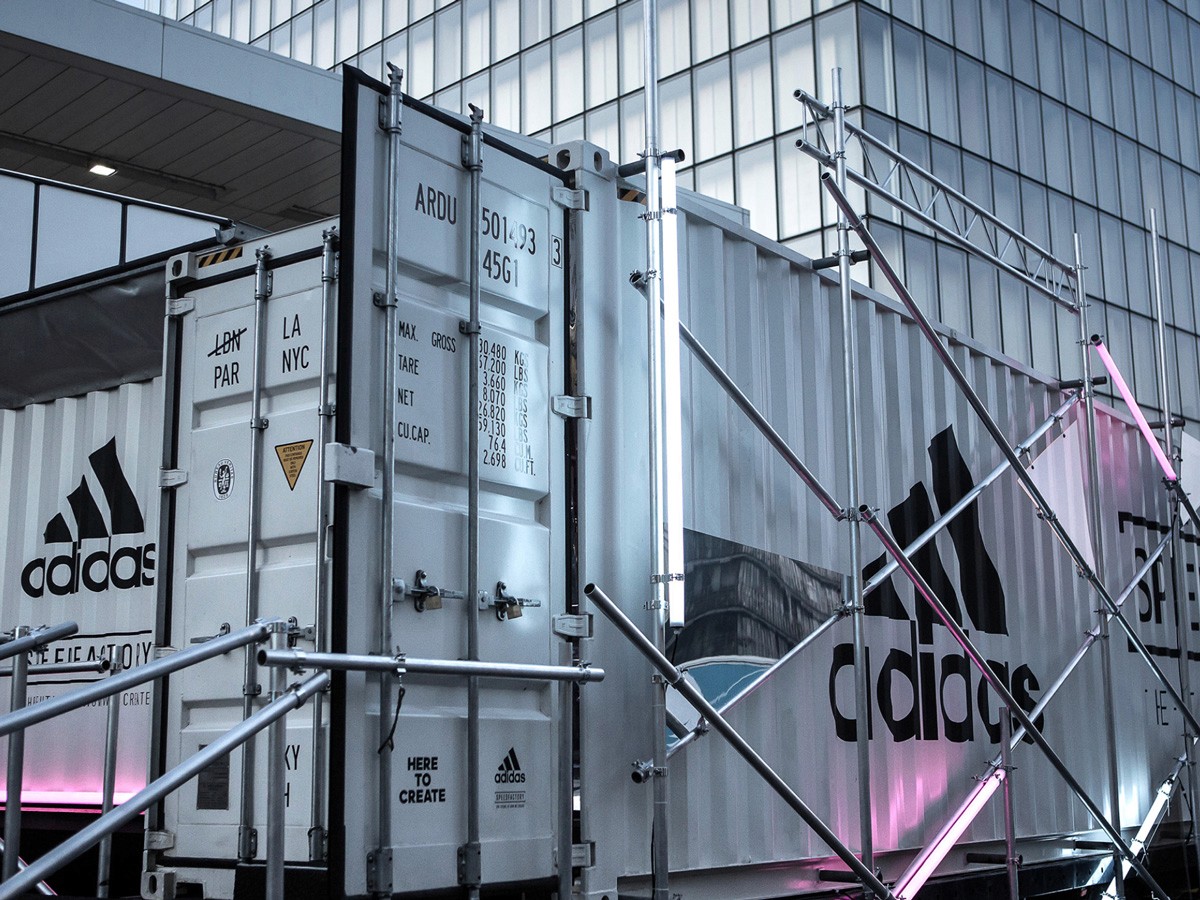
adidas Speedfactory- Resn
Role: Creative Direction, Spatial Design,
Digital Design & Art Direction


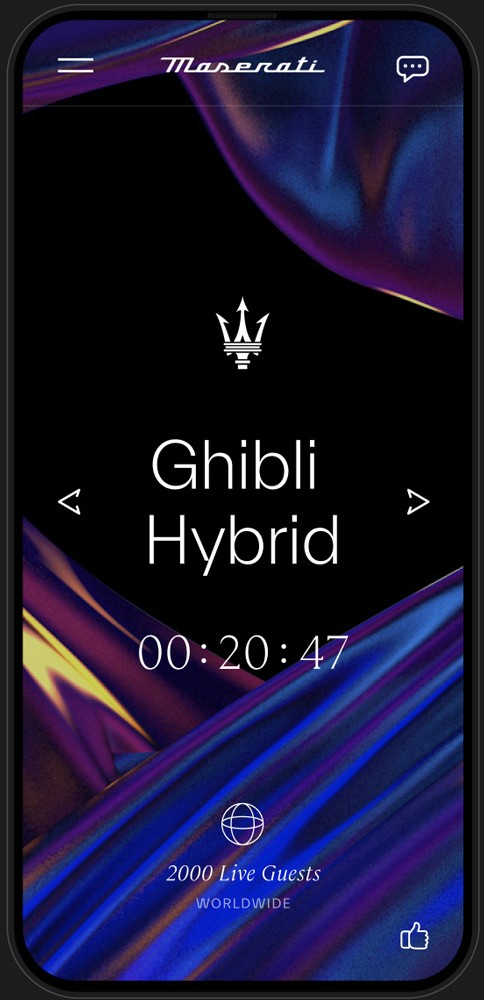
The House of Maserati- Resn
Role: Creative, Art Direction & Design


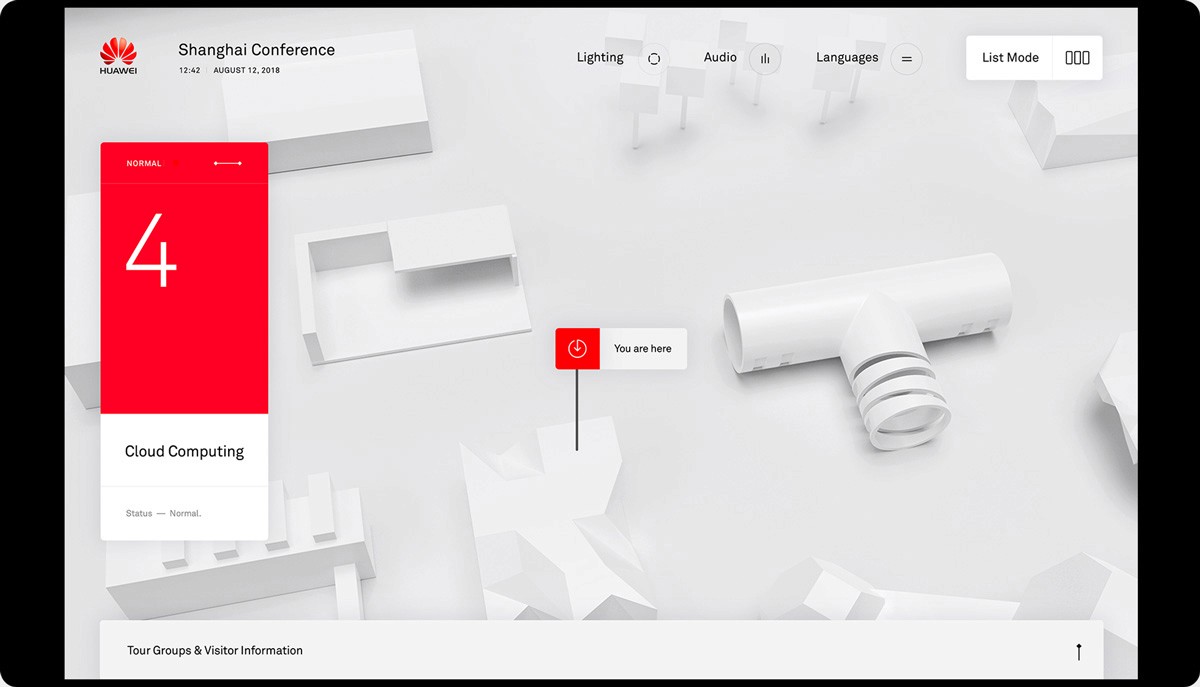
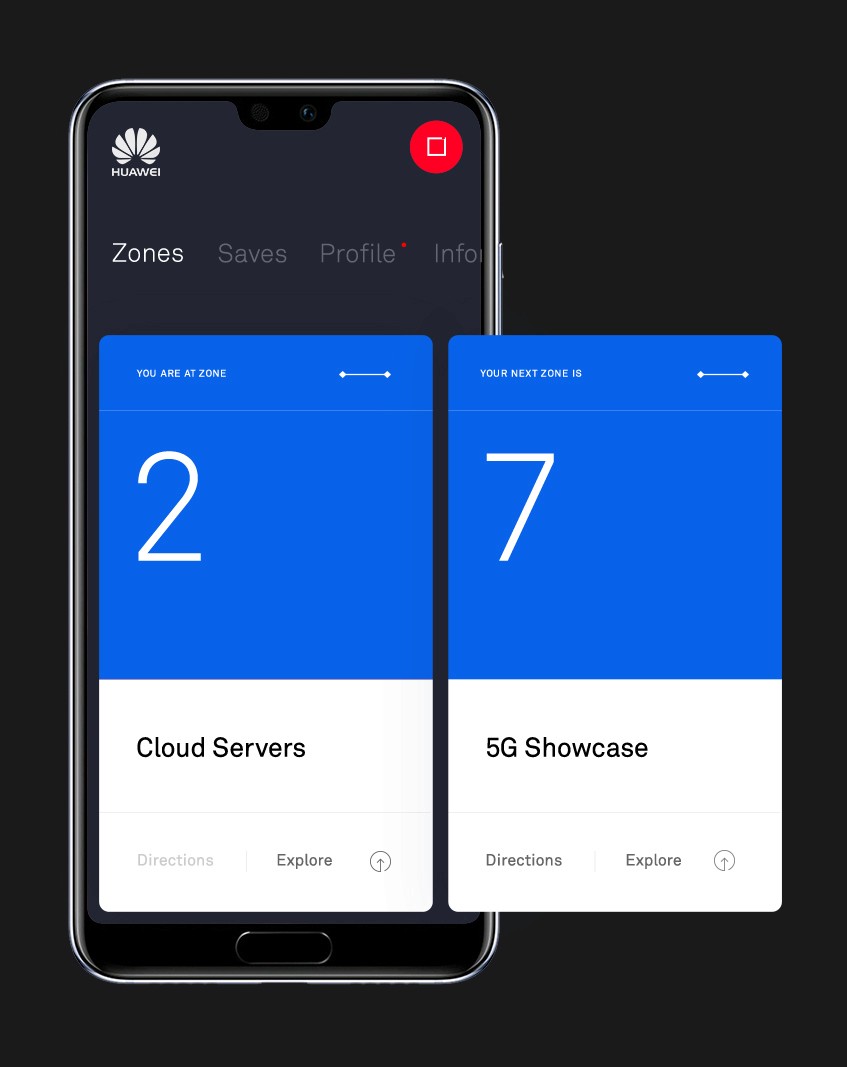
Huawei Conference UI - Resn
Role: Creative, Art Direction & Design


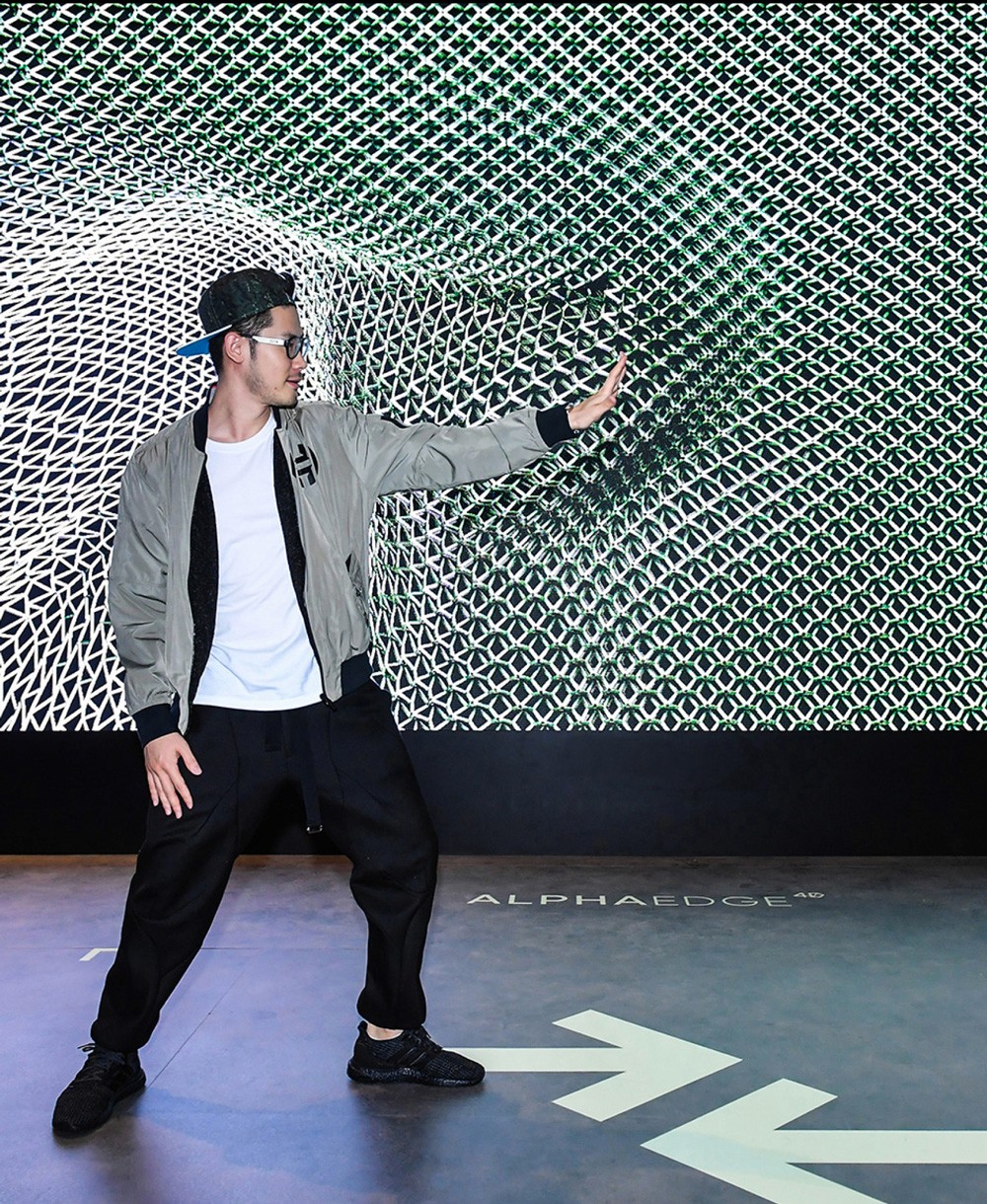
adidas Alphaedge 4D Kinect Wall - Resn
Role: Creative Direction & Art Direction
adidas Alphaedge 4D Kinect Wall - Resn
Role: Creative Direction & Art Direction
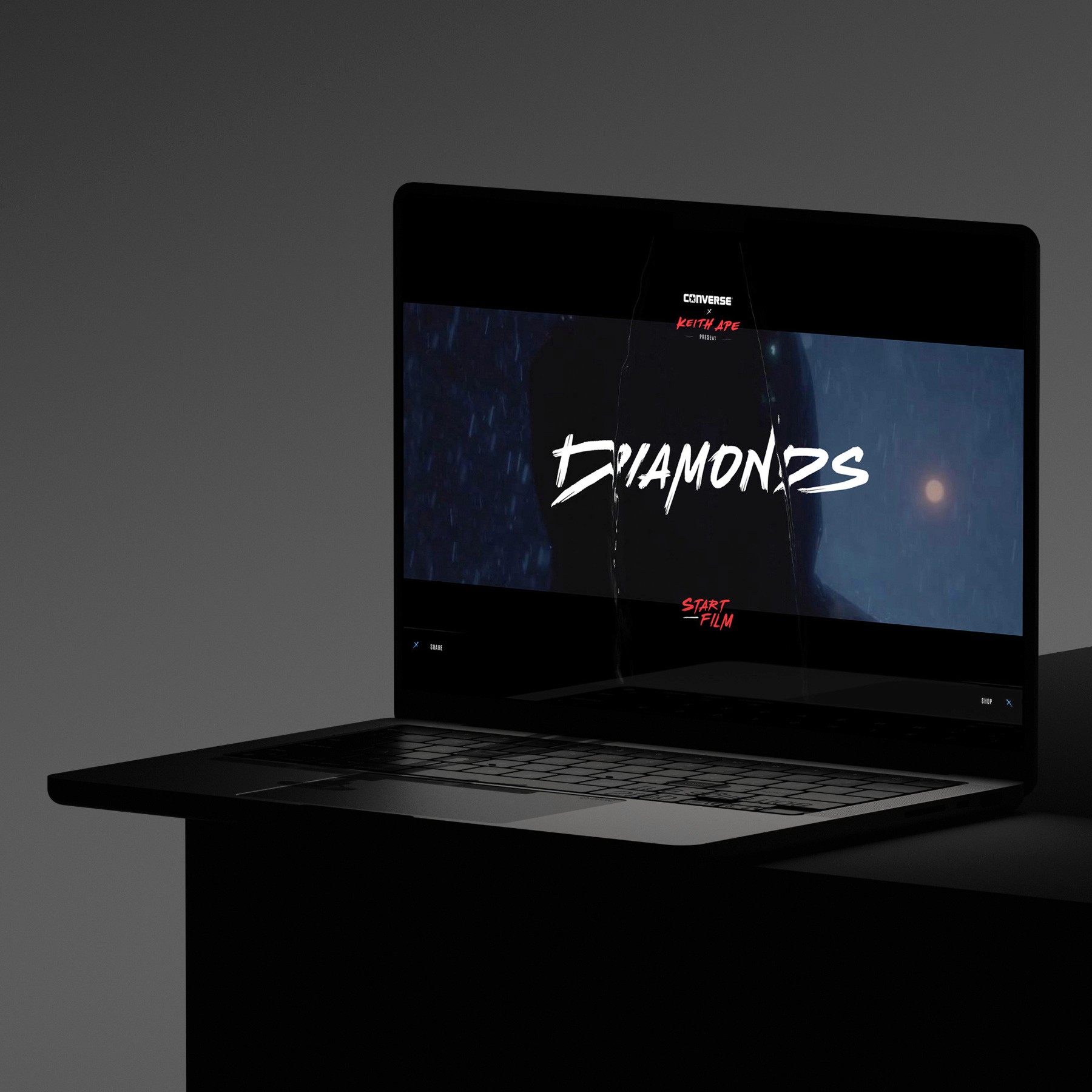
Converse Diamonds - Resn
Role: Design


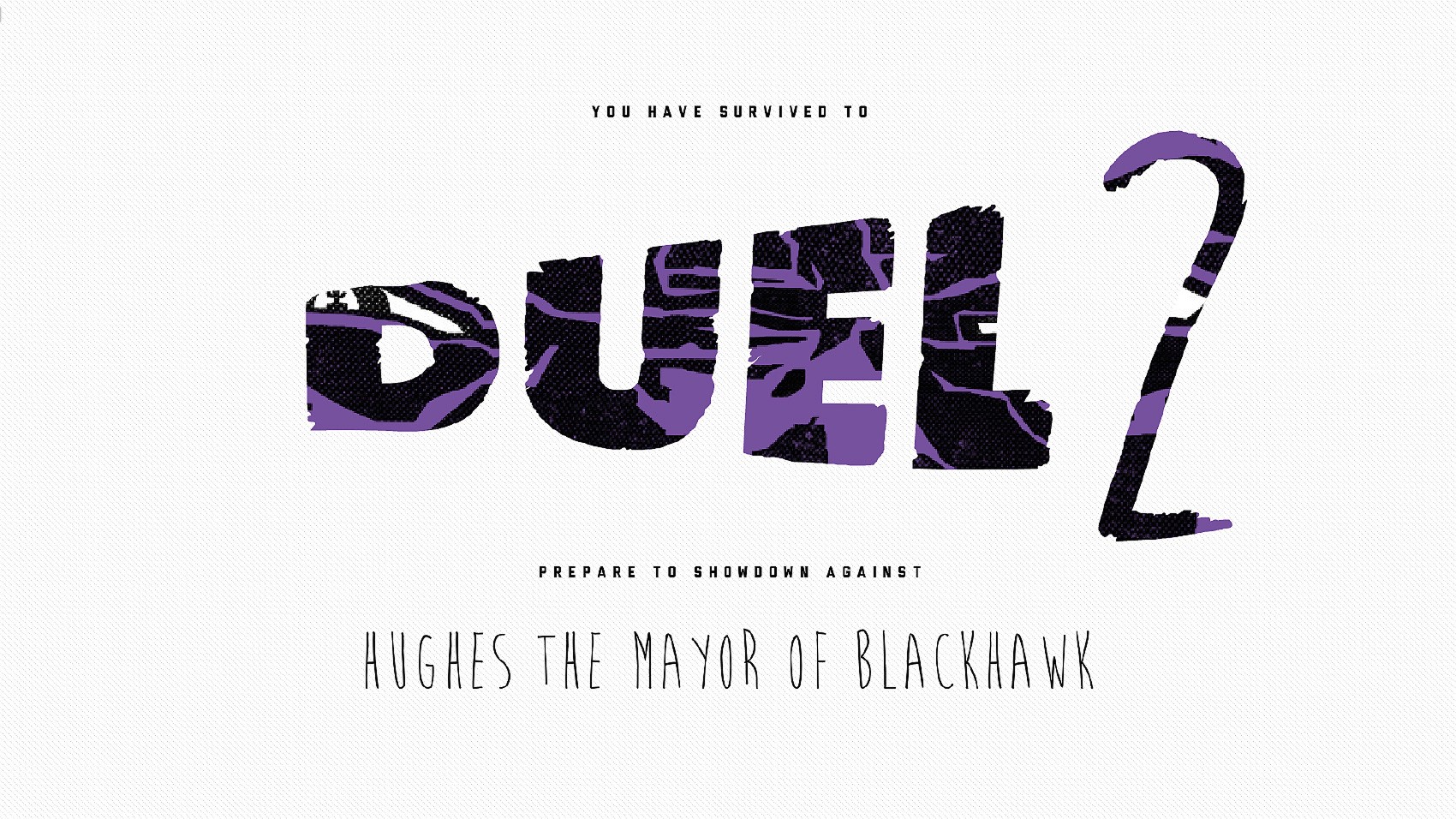
Digit Duel Game - Resn
Role: Typography & Design
Teams
I love working in creative teams
and being surrounded by production minded people who care deeply about the idea, small details and visual craft.
There's nothing better than being amongst designers, creatives, developers, animators and project managers pursuing an epic creative vision. All of work above was done with amazing teams and wouldn’t be possible without them.